French Bites
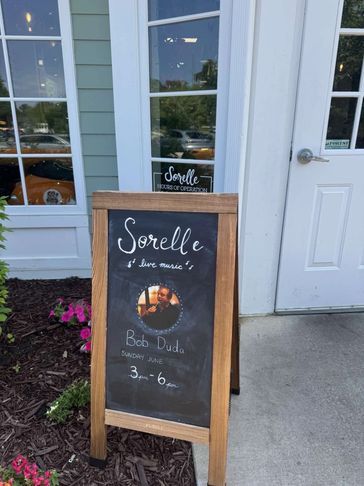
Bonjour mes amis!! This is my first blog post! To start off this journey about learning of France and French culture I started off with Sorelle. Sorelle is a beautiful, picturesque cafe located in Long Grove, Illinois. The first thing that captures your attention is the beautiful lemons and vines on the ceiling of the cafe. Lemons (Le cit
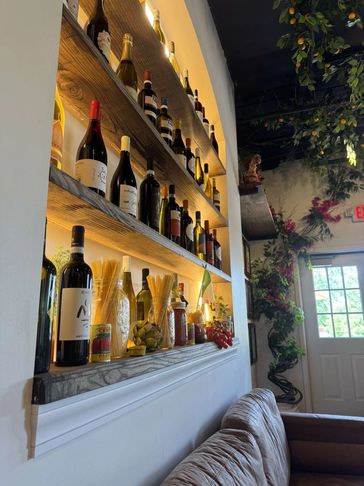
Bonjour mes amis!! This is my first blog post! To start off this journey about learning of France and French culture I started off with Sorelle. Sorelle is a beautiful, picturesque cafe located in Long Grove, Illinois. The first thing that captures your attention is the beautiful lemons and vines on the ceiling of the cafe. Lemons (Le citrons) symbolise energy and cleanliness in French culture. The capital of lemons is Menton, which is a French town in Italy and grows menton lemons which have a sweeter taste and are very famous in French cooking. In French cuisine, lemons are a necessity. Some classic dishes that use lemons include the lemon tart (tarte au citron). Lemons also symbolise sunshine in French culture. Lemons have a big presence in French culture, as it is something in the environment and also cuisine. Entering sorelle, you really capture the essence of french culture through the lemon trees. Sorelle is actually an Italian cafe but there are a lot of French touches which can allow one to learn more about French culture. The beauty of this cafe was the detail, there were so many items and little details that really allowed one to indulge in their experience at the cafe. For instance there were many cherry tomatoes (Les tomates cerises) laid out in the cafe. Cherry tomatoes are very important in French cuisine, used in quiches and appetisers (amuse-bouches). They are grown in the south of France. In recent years France has had a shift towards a culture where they eat more local and seasonal foods. This was due to climate change and also because of the quality of the foods. Cherry tomatoes are an example of this movement in France because they are locally produced and easy to grow. In French cuisine, they strongly believe in good quality foods and it's a French philosophy to let the ingredients do the work. There were many different wines on display. Wine plays a key role in the french identity, it is more than just a drink but it is actually a part of the lifestyle. Wine is usually drunk with meals regularly and there are many regions in France that are famous for their wine. Wine is taken very seriously in France and there are many laws revolving around wine and keeping its quality. Wine is also drunk on special occasions and holidays and used to celebrate, Wine is a very important part of the french tradition. There were these cute navy blue and white woven chairs on the outside of the cafe. These chairs are a symbol of the cafes in Paris and you will often see them on the sidewalks. The colors represent the french coast. It also has a deeper meaning in French culture, and represents the art of living, to enjoy your drink and watch as people go by and take your time. At the cafe they had a variety of croissants, including pistachio, nutella and almond croissants. The croissant is a classic representation of French culture, which I think that most people know. The French enjoy croissants in the morning and it can symbolise tradition and community. The pistachio and nutella croissants are trendy in France, as they have a modern twist which attracts young tourists. I ordered the nutella croissant and the almond croissant. The ingredients were so fresh and there was even a surprise in the nutella croissant! It was filled with cream and nutella and it was really delicious. In France, people often have their croissants with fresh cream. I also ordered a cheesecake and it was so fresh and creamy. Although it wasn't invented in France, the cheesecake has become a popular dessert in France. French cheesecakes use popular french cheeses which gives it a different texture, and this cheesecake had a more dense texture, similar to the ones in France.
In the cafe there is also an orange vespa, and while vespas originate in Italy, they do play a role in French culture. Vespas are often seen in the south of France in places like Nice. Vespas are also popular in cities in France because of the narrow streets and they are seen as stylish. Vespas are popular in the french film culture and they can be seen in films like La Haine (1995) and J'ai horreur de l'amour (1998). Props like the vespa allows one to get a feeling of France as they dine at this cafe.
Overall this cafe was just incredible, you really get a little taste of France when you dine at Sorelle and it was beautiful. Merci mes amies!!
New vocabulary words from this post!
Les tomates cerises = cherry tomatoes
tarte au citron = lemon tarts
Amuse-bouches = appetisers
Bonjour mes amis!! This is my second blog post!! The start of my journey in discovering French culture and language has been off to an amazing start and I am so excited for the new learnings and exploration that I will be taking on.
Today I went to this restaurant called “the Taste of Paris” in Mundelein, Illinois. This french restaurant
Bonjour mes amis!! This is my second blog post!! The start of my journey in discovering French culture and language has been off to an amazing start and I am so excited for the new learnings and exploration that I will be taking on.
Today I went to this restaurant called “the Taste of Paris” in Mundelein, Illinois. This french restaurant was very authentic and so cute! Right as you walk in you see many articles posted about the restaurant, for example the daily herald, wilmette life, mundelain review and lake country news sun. In the articles the owner of the restaurant, Claude Bouteille tells his story of being fired and then opening the restaurant. The decorations were beautiful and had that french touch. There were flowers on the outside patio and the red,white, and blue flag. The flag is also known as Le Drapeau Tricolore and blue represents liberty, white symbolises the monarchy and red symbolises the revolutionaries. There is a lot of history and meaning with the colors of the french flag. It symbolises the union of France and the unification of the people and the monarchy. Inside there were a lot of french paintings. It really allowed the diner to get a taste of French culture.
Furthermore, there were paintings saying “Bon Appetit” which is a very famous French saying to enjoy your meal and has become very popular even outside of France. There were scenic pictures of France and some graphics with some more French sayings. There was also some french music playing in the background.
Did you know, in French culture, there is a law called “The Toubon Law” which states that at least 40% of music that is played on the radio in France has to have French language!!
The music in the cafe was classical and calming. I could hear some piano playing and some flute. The flute is used in a lot of French impressionist music for soft tunes. When you walk into the restaurant there is a massive eiffel tower. The eiffel tower has huge cultural significance in France and symbolises innovation and strength. The eiffel tower is an iconic building which is known for its romance and beauty. Having the eiffel tower in this restaurant really allows one to grasp the French feeling and experience France in a little way.
Did you know that when the Eiffel Tower was originally built, people actually didn't like the design and it was almost torn apart in 1909. The eiffel tower is always a key symbol of France and adds to the charm and beauty of France.
In addition, they also had a chalk board with dishes and there was a lot of french. For example, “Quoi de Neuf” which is a french saying translating to “whats new” and also Boulangerie. A Boulangerie is a French cafe and is most famous for its Baguette which is an iconic french bread. Boulangeries are a part of daily french life also making dishes like croissants and brioches. French locals often stop at a boulangerie once a day to grab a bite or buy some bread for their meals. Bread plays a huge role in french daily life and the french revolution was partially started when there was a bread shortage in France which illustrates how important bread is to France. This restaurant also has a musician who plays the guitar who comes a few times during the year. I will definitely be on the lookout and hopefully will be able to listen to his music!
The Menu had a lot of french dishes like croissants, Apple and pear feuilletés, chocolate eclairs, fruit tarts and many more! These dishes are very iconic and famous in France. Feuilletés means flaky in french and the pastry was made in the 17th century. The dish holds a lot of importance in French cuisine because it portrays the three key aspects of French cooking: Simplicity, technique, and seasonality. Another famous dish was the chocolate eclair. The word éclair actually means “Lightning” in French, some say the chocolate eclair got its name because everyone eats it in a flash. The dish was made in the 19th century and is still very popular to this day. I got the Creme brûlée, Tiramisu cup and the Almond Croissant. The Creme brûlée is a very famous and elegant dessert and is actually my favorite dessert! The meaning of Creme brûlée is “Burnt cream” and the dish has very simple ingredients but still requires skill. Many French chefs consider the “crack” of the sugar glaze a critical part in eating the dish. I enjoyed my desserts on the outside patio soaking in the warm summer breeze. This restaurant felt very authentic and homely. There was a strong connection to the french roots and a lot of love surrounding the restaurant. I really enjoyed my meal and experience!
New vocabulary words/sayings from this post!
Bon Appetit= Enjoy your food
Quoi de Neuf= What's new
éclair= Lightning
Feuilletés= Flaky
Creme brûlée = Burnt cream
Merci!!
Urvi
Salut mes amies!!
I'm already on my third post, le temps passe vite!!
Each week, I learn more and more about French culture and fall in love with it more!
Today I went to this beautiful and charming french restaurant called “Miramar Bistro” in Highwood, Illinois. C’était incroyable! (It was amazing!) It had a beautiful atmosphere, it was
Salut mes amies!!
I'm already on my third post, le temps passe vite!!
Each week, I learn more and more about French culture and fall in love with it more!
Today I went to this beautiful and charming french restaurant called “Miramar Bistro” in Highwood, Illinois. C’était incroyable! (It was amazing!) It had a beautiful atmosphere, it was very lively and had a lot of energy and people. The first step into the restaurant, you can hear the french music in the background and little french touches all over the environment transcends you into france, and definitely didn't feel like we were in suburban Illinois. Additionally, the furniture was very vintage and the lighting of the restaurant was warm and welcoming. Then, there was a Parisian charm from the restaurant- the ceiling tiles had really pretty designs, there were long wax candles, the wooden tables - giving an olden day feeling. There was so much character!! Directions and signs were written in french, for example “Toilettes” (toilets), these were the little details that really made me feel like i was in France.
Did you know in France, wax candles have a deeper meaning, owners would use candles to show their customers how they really care for the ambiance and atmosphere of the restaurants as much as they do the food.
The french tiles on the ceiling are reminiscent of the famous 1920’s Paris architectural style seen in a lot of apartments and restaurants to incorporate personality and add elegance.
There were baguettes placed around the restaurant, which is very common in France. Did you know that in France they are so strict about their bread that they even have laws which classify what is considered to be a baguette and what isn't!
We were taken to a very cozy table and given bread and butter! Simple, classic, and a necessity.
The bread and butter was placed on this knitted, red and white cloth, which is also known as a “torchon vichy” which started in the countryside of France. It was a symbol of simplicity and being clean. Families living in the countryside would use these clothes to ensure that their tables wouldn't get ruined. A classic in many French cafe’s, the intentional red and white stripes aim to create an inviting atmosphere.
We started our meal with a charcuterie board filled with prosciutto, parmesan cheese, sausage, olives and a salad with a vinaigrette dressing. The sausage had a spice to it and added peppers, the parmesan cheese was aged and nutty and the olives added the perfect kick to tasting the whole platter.
Next up! Les escargots!!
This was my first time ever trying escargot, so I was feeling nervous but excited to taste this famous french delicacy!! The texture was soft and warm, there was a garlic and butter sauce coated all over the snails. It was really delicious and an interesting taste that I had yet to acquire. The flavor of the meat was rich and this was definitely a turning point in my journey exploring French culture, as I broke out of my shell to try something new and symbolized the beauty and intricacy of French culture.
le gratin de soupe à l'oignon (onion soup) was out of this world, the caramelized onions and the cheesy topping was creamy and the perfect touch to blend into the soup. Onion soup was very popular in France during the middle ages as it was cheap and easy to make. Slowly the soup transformed as toppings got added and it turned into a soup people would drink during late nights. Now onion soup is seen as a comfort meal that is a classic in France.
If you are ever hungry late at night and craving something warm for the soul, le gratin de soupe à l'oignon is the dish for you!
Ingredients:
- Olive oil
- Onions
- Unsalted butter
- Sugar
- Garlic and thyme
- Beef broth
- Cheese
- Baguette!
It doesn't require too many ingredients and the flavor is très délicieux!!
Time for Le Dessert!
First we ordered crème brûlée- My favorite dessert ever!! The vanilla base is also so delicious and creamy. My favorite part is the crack when you break the sugar base, its also so fun and the crunch of the sugar base adds a different texture to the smooth and rich vanilla custard.
We also ordered profiteroles. Profit is a french word and the name means “a little gift”. In the 1500s they were eaten by royal families and they had different fillings like cheeses and custard. Pastry stores and cafes began to explore and it became more popular. Then the dish became what it's known for, with the chocolate sauce on the top and ice cream filling.
Overall, dining in Miramar bistro was such an incredible experience. What did it for me was the little and unique details in the restaurant that really elevated the dining experience and allowed me to indulge in French culture. French culture is so beautiful, using simplicity to create beautiful symbols. Like bread, the music, and the candles. It was really a charming dining experience where I connected through meals and moments. I'm so excited to continue my journey and learn more about French and bring it with me everywhere I go!
merci d'être venu avec moi! 🌸
New vocabulary words/sayings from this post!
Incroyable: amazing
Toilettes: Toilets
Les escargots: The Snails
le gratin de soupe à l'oignon: The onion soup
très délicieux: very delicious
Le Dessert: The dessert
Bonjour mes amies!!
This week I visited Paris Baguette with my grandparents and it was a perfect mix of time to spend with loved ones and learning more deeply about French culture!! The environment was buzzing, all the tables were full. Hearing the noise of cups pressing against each other and chatter, I felt transported to the buzzling s
Bonjour mes amies!!
This week I visited Paris Baguette with my grandparents and it was a perfect mix of time to spend with loved ones and learning more deeply about French culture!! The environment was buzzing, all the tables were full. Hearing the noise of cups pressing against each other and chatter, I felt transported to the buzzling streets of Paris where chatter and drinks flow endlessly. Above the tables were images of croissants, and past the tables was an array of desserts, Ranging from mini feuilletés, pai aux raisins, soufflé cheesecakes, and pineapple brulée pastries.
In the french cultures, cafes mean A LOT more, It’s a part of daily routine and is a part of the tradition. Whether it be stopping by for their daily cups of coffee or morning croissant, it has become a staple in France to stop by a local cafe during their days. French cafes began during the 17th century, by Suleiman Aga and slowly became more and more prominent in French streets. In the 18th century cafes became vital for sharing ideas and debating, not just for a cup of coffee. In fact, during the time leading up to the french revolution cafes were actually used as a place to share about the political and social change that was desired. le petit bonheur quotidien is a French saying for daily joy and little things. Bakeries also illustrate the importance of communities, even as simple as saying hello and good morning on a daily basis.
Sitting with my grandparents we enjoyed a ham and cheese croissant, a soft cheesecake, a mini bon delicieux and a fruit pastry. These simple dishes had so much flavour and tasted immaculate. The cheesecake melted in my mouth, and the ham was very tender and had a hint of garlic. It was delicate, but somehow deep. The flavours weren't overpowering, but added the perfect dynamic to each dish. The word Soufflé comes from the verb souffler which means “To blow”. This was seen in France dating back to the 18th century seen in omelettes and different variations of food. When you hear the word Soufflé, it is often something fluffy and consists of whipped eggs. The Soufflé cheesecake is a modern dish combining the more global cheesecake with a very famous french technique in cooking.
One thing that stood out to me at Paris Baguette was how it had a modern twist of France, and there was a lot of creativity. You could see the resemblance of France, even miles away, but you could also see the impact of different cultures and the influence on a global level. There was a fusion of different cultures placed into the bakery, for example, the souffle cheesecake was a blend of the french culinary arts but also japanese. This portrays how in France, they are very welcoming to new ideas, but still uphold their traditions. The pastries at the Paris Baguette show this evolution of France’s culinary evolution.
Something I've always admired about French culture is how they romanticize and take pleasure in the simple things. They call it “joie de vivre” which means the joy of living. The simple things of life, waking up, walking down the streets, seeing familiar faces. The joy of tradition and doing the simple things in life has shifted my lens of seeing daily life, in an almost romantic way.
The best part of the meal was just enjoying time with my grandparents as I was enjoying these french pastries. It was about the conversation and quality time that I could spend with them, as they live very far, in Thailand, and I am only able to see them once a year. Just enjoying the moment, “Joie de Vivre”. Talking to them about my friends, my upcoming homecoming plans, my school life and the tests about to take, while they share their past stories growing up, stories of my parents and the fun that they had. Something about French culture is that during meal times, it's something that's cherished. In France, people enjoy taking their time, something that isn't rushed. Family time in France is something which is sacred. Did you know that Sundays are known as “Family days” in France, oftentimes shops close at earlier hours and families meet and enjoy meals over long periods of hours. They value earning from past generations and grandparents are deeply respected.
French words:
Souffler: To Blow
Joie de Vivre: Joy of living
Cafe Sorelle
Cafe Sorelle